Attic Fan and Whole House Fan Circuitry Orange County
Most Orange County homes feel the same rhythm: mild mornings, a marine layer that burns by lunch, then a dry push of afternoon heat that lingers in the attic well after sundown. That heat has an expense. I have actually determined attic temperatures in Objective Viejo at 135 to 150 degrees on August afternoons while the living room sat at a reasonable 76. The delta works your a/c harder, tiredness roofing products, and reduces the life of anything with a motor up there. Correctly wired attic and whole house fans can alter that equation, however they just settle if the electrical work is thought through, code certified, and tuned to your house.
I have actually installed and wired numerous these systems throughout the county, from 1950s cattle ranches in Orange and Fullerton to 3 story townhomes in Irvine and newer integrate in Rancho Mission Viejo. The concept sounds basic: move hot air out. The execution resides in the details. This guide strolls you through how I approach attic fan and whole house fan wiring in Orange County, what matters, and why a licensed electrician Orange County house owners can trust keeps an eye on more than just a hot and neutral.
What each fan really does
People typically swelling attic fans and whole home fans together. They are not interchangeable.
An attic fan resides in the attic, generally on the roof or gable, and exhausts hot attic air to the outdoors. It runs on a thermostat, sometimes a humidistat, and its job is to lower attic temperature so the rooms below do not gather radiant heat from the ceiling. Electrical wiring is usually straightforward, typically a 120 volt, 15 amp circuit if the motor is modest, with a local detach and bonding.
A whole house fan sits in the ceiling of a hallway or central area. You open windows, switch the fan on, and it pulls cooler outside air through the home, flushing hot air out through the attic vents. That indicates greater airflow, considerably greater amperage in some designs, bigger backdraft dampers, more structural coordination, and smarter controls since individuals are in the area while it runs. These fans are not practically comfort. If they are wired and sized properly, they can decrease compressor run time by 30 to 60 percent on shoulder season evenings.
The Orange County variables that form the wiring
Local climate presses style options. Nights often cool into the 60s within a few miles of the coast, while inland communities like Yorba Linda and Lake Forest can hold heat. I size whole home fans with those night deltas in mind. If you prepare to draw cool ocean air through in Huntington Beach, a 2 speed or variable speed entire home fan wired to a wall control is a joy. If you remain in Anaheim Hills, you might still want the fan for spring and fall and for quick purge ventilation, but you will rely more on the attic fan mid summertime to secure the building shell.
The roofing system and attic matter, too. Cathedral ceilings with minimal attic volume require various solutions than a sprawling ranch with multiple cross gables. I have remained in attics with only 1 to 2 square feet of net complimentary vent area when the fan wanted 6 or more. Without adequate passive venting, circuitry the most significant motor you can discover simply develops unfavorable pressure and noise. Excellent electricians take a look at airflow initially, conductors second.
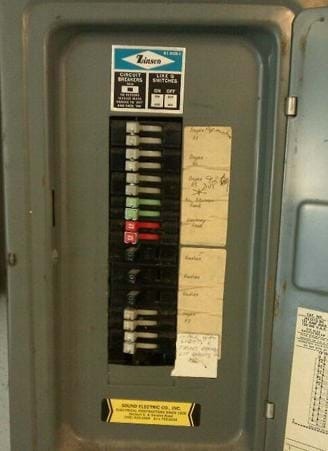
Age of the electrical system complete the picture. Numerous mid century homes in Orange County have older panels with limited spare capability. I typically combine a fan job with an electrical panel upgrade Orange County property owners currently have on their to do list, specifically if they are also thinking about EV charger installation Orange County large. A 200 amp panel usually manages an entire house fan without trouble, however I still run a load estimation instead of guess. If your home still has aluminum branch circuits or remnants of knob and tube from an addition, that will shape the electrical wiring method and the authorization conversation.
Sizing the fan before running a single cable
A common mistake is selecting equipment without checking the mathematics. For an entire house fan, the rough guideline is 2 to 3 air changes per minute of the home's living location. In practice I use a range due to the fact that window technique, venting, and acoustics matter. A 2,000 square foot home with 8 foot ceilings holds approximately 16,000 cubic feet of air. At 2.5 air modifications per minute, a 40,000 CFM target would be ridiculously high and noisy, so we call expectations. Modern high effectiveness entire home fans frequently provide 2,000 to 7,000 CFM at significantly lower wattage than the old belt drive units. The electrical wiring then follows the equipment: a few of these draw less than 3 amps on low and 6 to 8 amps on high; bigger units can crest 10 to 12 amps. That dictates conductor size, breaker selection, and whether you share the circuit.
Attic fans are easier. Lots of roofing system installed models pull 800 to 1,600 CFM and draw 1 to 3 amps. If the roof has constant ridge vents and lots of soffit consumption, a single system can support attic temperature levels perfectly. In a long hip roofing system with separated bays, I in some cases set up two fans, each by itself thermostat, then bring them back to a single junction fed by one circuit if the load and Article 210 permit it. Attention to balancing is essential. One fan fighting another seem like a prop plane overhead.

Permits, code, and the Orange County patchwork
Every city in Orange County embraces the California Electrical Code, which is based on the NEC, but they vary in interpretations and administrative treatments. Anaheim's structure department is tough on documents for entire home fans and desires proof of adequate attic venting kept in mind on a plan. Irvine's over-the-counter permit process is efficient if the scope is uncomplicated, but inspectors are exacting on AFCI requirements and labeling. Santa Ana frequently concentrates on smoke control questions in multi household buildings.
Three points I never ever skip:
-
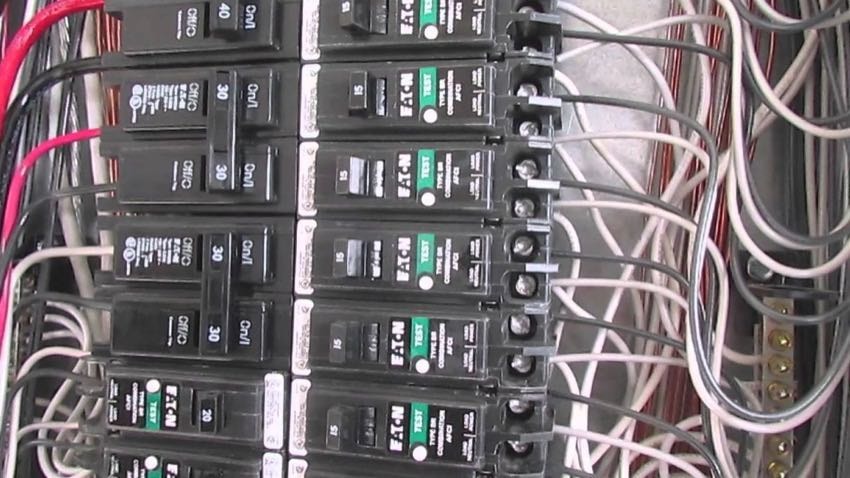
Arc fault defense. If the switch area for a whole house fan lands in a habitable space, it triggers AFCI requirements. I generally install an AFCI breaker, then bring the devoted circuit to the fan and control. Some customers prefer a remote relay at the fan and a low voltage wall control to avoid line voltage at the switch box. That can simplify AFCI annoyance tripping in older homes.
-
An available disconnect. The motor requires a way to disconnect within sight. I either use a locking cable and receptacle in the attic or a small non merged detach next to the fan housing. Inspectors in Huntington Beach have dented jobs that needed crawling three trusses over to unplug a unit.
-
Bonding and grounding connection. Metal housings, particularly older gable fans, can not count on mounting screws for bonding. I pull an equipment grounding conductor to every fan and confirm connection to the housing with a meter before wrapping up.
Whole house fans likewise incorporate with Title 24 energy code logic. While they are not compulsory, installers need to show that attic venting can support the air flow to meet producer requirements. I measure or approximate soffit and ridge vent net totally free location and go for 1 square foot of net free vent per 750 CFM of fan capacity, in some cases much better depending on baffle losses. When venting is brief, we add intake.
Wiring options that make the system last
I do not run NM cable television through roofing decks. Attics run hot, and thermal stress adds up over years. My standard is NM-B in attic runs supported on running boards or rafters, then EMT or FMC where the cable approaches a metal real estate or a roof penetration. For roofing system mounted attic fans, liquidtight flexible avenue handles vibration and weather condition. I use noted pressure reliefs and drip loops. Interior penetrations into the conditioned area for a whole home fan need sealed grommets and sometimes fire caulk, specifically in two story homes with separation requirements between garage and living spaces.
Conductor size follows the load with margin. Even if a fan draws 7 amps on high today, a 14 AWG operate on a 15 amp breaker leaves little headroom for future modifications. I often select 12 AWG and a 20 amp breaker for whole home fans, then size the whip to the real estate properly. If the control circuit is low voltage, I pull a separate cable television clearly labeled in the junction box.
Controls matter more than many people think. Old school attic fans operate on breeze disc thermostats set at 100 to 110 degrees. I still use those for simpleness, however I likewise wire an override switch so a property owner can shut down throughout wildfire smoke events. Entire house fans have alternatives: two speed toggles, wall timers, digital controllers with temperature sensors, or wise controls connected to a phone app. In Laguna Niguel, I wired an entire house fan to a countdown timer that would shut down after 30, 60, or 120 minutes. The household desired the fan to run after supper and stop before bedtime without a second thought. The timer sits next to a labeled wall plate revealing which bed room windows to split for best air flow. Little touches turn hardware into a regular that individuals actually use.
Noise, vibration, and the neighbors
Noise problems prevail with older systems. Rubber isolators in between the fan frame and framing help, however wiring contributes too. Sloppy whips that slap a real estate, or EMT that touches a truss, produce a rattle that telegraphs through drywall. I protect conduit with padded straps and offer versatile sections gentle bends. For a ceiling mounted whole house fan, I add adaptive speed control if the motor supports it. On low, a lot of contemporary fans are whisper quiet, drawing 100 to 300 watts while moving genuine air.
I as soon as reviewed a task in Tustin where a well meaning handyman had wired a new whole home fan onto a neighboring bed room circuit, then jammed the junction box under insulation. The fan worked, but the added current on that run triggered a breaker to run hot. The house owner heard a hum and felt heat on the bedroom outlet cover. We traced it, pulled a dedicated homerun to the panel, included an AFCI breaker, and the hum disappeared. The lesson repeats: a clean electrical design repairs more noise than a thicker gasket.
Load estimations and panel realities
Before I run cable, I examine the service and panel. Many Orange County homes built before the late 1990s have 100 amp services. If the home has included a medspa, an electric range, and an electrical lorry charger Orange County house owners typically think about nowadays, the panel may be at capability. I determine existing loads using NEC Article 220 methods, then add the proposed fan loads. A single attic fan generally includes little. A large entire house fan might amount to 1,200 to 1,500 watts at startup, though running watts are typically lower. If the numbers squeeze, it can be time to talk about a panel replacement Orange County inspectors will bless, or a service upgrade. When we combine new circuits for recessed lighting Orange County projects and a fan, bundling the authorization and assessment saves time and money.
This is likewise where AFCI and GFCI gadget choices get made. If a whole home fan permeates a garage ceiling, GFCI might be warranted depending upon routing. Laundry areas close by can trigger additional requirements. When in doubt, ask your regional electrical expert Orange County citizens count on to read the strategy set with you.
Integration with heating and cooling and clever home wiring
I watch out for interlocks that try to run the entire home fan and AC all at once. They work at cross purposes. That stated, coordination helps. A simple relay that drops out the heating system blower for a minute when the whole house fan begins can decrease backdrafts through the return. Some customers desire smart home wiring Orange County large, so we tie a fan to a home automation scene. Break windows, set scenes, begin the fan on low, then ramp up as outdoors temp drops. Low voltage wiring Orange County installations like these live in the very same authorizations, but utilize various cable and protection. Keep line and low voltage separated and labeled.
I like magnetic contacts on a couple of windows connected to an indicator light at the control. It is a basic check that the intake course is open, crucial for airtight homes with effective fans.
Safety around combustion appliances
If your home has a gas water heater or furnace available to the home or garage, negative pressure is a genuine danger. I have seen a 6,000 CFM fan backdraft an inadequately vented water heater in a Santa Ana garage, pulling flue gases into the area. The repair involved adding make up air and informing the house owner to open particular windows in the living area opposite the garage. When I wire control stations, I publish a brief guideline label. An entire home fan is not a toy. Regard the airflow.
Fire stopping and penetration seals also should have attention. Anytime we cut a ceiling opening, we preserve the stability of ranked assemblies. Intumescent caulk at cable television penetrations, metal junction box covers, and noted dampers all matter. Some premium whole house fans use insulated, R-5 to R-10 motorized dampers that seal tight when off. I wire those to power closed on shutdown. Without power, gravity or spring returns in some cases leave a gap that leakages conditioned air.
The sequence I follow on a typical job
Homes are various, however the rhythm usually appears like this. Very first visit is a discussion, a look in the attic, a panel check, and airflow mathematics. I determine vent area, check for can lights that may be open to the attic, and mark proposed fan places with tape. We discuss how the household lives. If somebody works from home and takes calls in a front workplace, a noisier area will not fly.
Permit is next. For a residential electrician Orange County certified and guaranteed, a lot of cities use online submittals. I include an easy one line diagram, control schematic, and cut sheets. For entire house fans, I include venting notes.
Rough wiring follows framing cuts. I secure junction boxes to structure, run home runs back to the panel along supported paths, and leave generous service loops. Controls get installed in logical, visible locations. I identify conductors with heat diminish markers. Property owners value labels in the panel too. It is not hard to write "Whole Home Fan" next to breaker 18.
Final connection and screening happen after the mechanical set up. I torque terminations, verify ground continuity, test GFCI or AFCI function, and run the fan through its speeds while monitoring present with a clamp meter. On hot days I set attic fan thermostats around 105 degrees to start, then adjust with the house owner later. I supply a brief orientation on utilizing the system. It takes five minutes to describe why two windows on opposite sides of your house work much better than one.
Common errors I see and how to prevent them
-
Undersized circuitry and shared circuits with bedroom receptacles. Fans are worthy of dedicated circuits sized for startup current. Prevent stacking them on lighting runs.
-
No detach or inaccessible junction boxes. Everything requires to be functional. Inspectors try to find it, and so do service technicians later.
-
Ignoring attic venting mathematics. Air needs to go someplace. Include intake at soffits if required, or select a smaller sized fan and accept a longer run time.
-
Sloppy control choices. A single on off toggle invites somebody to forget the fan all night in December. Timers and clever controls spend for themselves by avoiding mistakes.
-
Not preparation for smoke events. An override that eliminates attic fans when outdoor air is bad saves roofings from drawing in ash and soot. It is simple to wire and easy to use.
A fast pre wire list for homeowners
-
Confirm attic vent area satisfies or surpasses the fan's requirement. If not, add vents.
-
Verify panel capacity with a load estimation and recognize a devoted breaker space.
-
Choose a control technique that fits your regimen, such as a timer or variable speed wall control.
-
Walk the home and identify which windows will be utilized for intake, then prepare labels.
-
Discuss combustion home appliances and comprise air with your electrical contractor to prevent backdrafting.
Costs, timelines, and practical expectations
Pricing varies with access, devices, and electrical work required. Attic fan electrical labor typically runs a couple of hundred dollars when there neighbors power and good access. Whole house fan wiring ranges broader, especially if we add a homerun to a far-off panel, AFCI breakers, and smart controls. If you need an electrical assessment Orange County departments schedule quickly for simple scopes. Plan a half day to a complete day of on site work for many installs.
Comfort gains are real. A properly wired and sized entire home fan can pull a 2,000 square foot home below 82 to 74 in under an hour when the outside air is 68. You will still need AC on peak inland days, however you will utilize it less, and your home will settle quicker at night. Attic fans typically shave 10 to 25 degrees off peak attic temperatures, which decreases duct losses and keeps roofing sheathing better. Roofing contractors like that. Your shingles will, too.
When a professional makes sense
If you are the careful do it yourself type with attic experience, basic installations can be friendly, specifically attic fans with close-by power. Still, there is a world of difference in between getting a motor to spin and establishing a system that is safe, quiet, and long lasting. A best electrical expert Orange County homeowner has on speed dial will put eyes on venting, panel capability, conductor security, and controls. Search for a licensed electrician Orange County based who pulls permits, interacts clearly, and stands behind the work. If something journeys at 9 pm on a Saturday in July, you will be happy you employed a team that uses a 24 hour electrical expert Orange County dispatch. If a breaker gets grouchy 2 weeks later on, a same day electrician Orange County pro must be able to swing by and fine tune without drama.
Electrical repairing Orange County tasks like these sometimes reveal unrelated concerns. I have actually discovered brittle fabric cable television feeding a restroom fan that stopped working the yank test, and a cracked junction box cover buried under decades of insulation. We fix what we touch. That is the ethic you want whether it is outlet installation Orange County requests or a modest lighting setup Orange County households ask for between bigger jobs.
Anecdotes from the field
Two jobs stick with me. In Costa Mesa, a retired couple had a gorgeous mid century home with a tongue and groove ceiling and almost no attic. Air conditioner struggled in the afternoons. We chose a low profile, ducted whole home fan mounted in a small mechanical chase, then ran the duct to a discreet roof cap. The electrical ran through emergency medical technician in the chase, with a devoted 20 amp circuit and a quiet timer switch near the kitchen area. That system used 250 watts on low and altered how they utilized the home. They consumed supper with windows open and called the fan their ocean breeze button.
In Placentia, a https://trentonhgvi030.brightpathdigest.com/posts/electrical-panel-upgrade-orange-county-increase-safety-and-capability young family called for an Orange County electrical repair after a breaker tripped consistently. The culprit was a whole home fan a previous owner had wired to a general lighting circuit in the 1970s. We updated the panel, added AFCI breakers, rewired the fan to a devoted circuit, and set up smoke and CO detectors in the appropriate rooms. As part of the job, we added a couple of recessed lighting Orange County house owners frequently couple with ceiling fans and changed a noisy bath fan. The final walk through seemed like a different home. Little electrical choices mix into day-to-day life.
Bringing it together
Wiring an attic fan or whole house fan is less about pulling romex and more about checking out a home: the way air wishes to move, the way a panel was broadened in time, and the way a family lives. The best Orange County electrical contractor will talk through trade offs. A cheaper, single speed system may look great on paper, however if it is loud you will not utilize it. A variable speed fan tied to a smart controller expenses more in advance, yet it makes back with comfort and lower AC runtime. A quick install that overlooks venting will work for a while, till it does not. A deliberate set up will last years.
If you are searching for a local electrician Orange County residents advise, inquire about current fan jobs. A leading rated electrical contractor Orange County property owners trust can explain how they addressed venting, AFCI, and manages on a job like yours. They should likewise be comfortable bundling associated work if required, whether that is a modest ceiling fan installation Orange County households desire in a bed room, outside lighting Orange County patio areas are worthy of for evening air flow, generator installation Orange County customers consider for outage durability, or entire home rewiring Orange County older homes often require before including brand-new loads.
Good electrical work vanishes into the routine of your home. You feel the breeze, you see the electric expense settle, and you sleep much better. The wires simply do their job, quietly, day after day. That is the objective. And in our environment, with our structure stock, it pays to wire these fans right the very first time.